


Construction disputes can delay ongoing projects, hold up payments, and interrupt work. Construction disputes after completion can be exceptionally costly and take years to proceed through litigation. Facing a Los Angeles construction dispute? Jason Turner, a neutral attorney, helps all parties resolve issues and reach an agreement. Call (949) 864-6234 to set up mediation.
Construction mediation in Los Angeles can resolve payment, scope, contract, defect, or schedule disputes. If disagreements arise, a neutral mediator can help resolve them. Jason Turner works with owners, contractors, subcontractors, architects, and engineers to find solutions.
Construction mediation allows you and the other parties to discuss your dispute privately with a neutral mediator. This approach avoids jumping straight to litigation. Jason Turner keeps the conversation focused on the main issues that need resolution and works to get the parties to a resolution.
During mediation, you have the chance to share your side, respond to claims, and address the other party’s concerns in one session. This process can help narrow the disagreement, explore possible solutions, and find common ground. Jason Turner keeps the session on track while both sides consider their options.
Seek construction mediation for ongoing projects when a dispute affects scope of work disputes, disputed contract terms, payment, progress, or closeout. Small issues can grow during an ongoing project, causing missed work, further payment problems, and strained communication. Jason Turner steps in when disputes go beyond regular project discussions and need a neutral mediator.
You may need mediation if:
Seek construction mediation for projects which have been completed when a dispute affects demands for final payment, allegations of construction defects, catastrophic failures, damages resulting from deficient work (such as water intrusion), or an alleged failure to comply with defense and/or indemnity obligations. Litigation related to completed construction projects can easily spiral out of control and become exceptionally costly for all involved. Construction litigation is often complex and may involve numerous parties and take years to reach a conclusion. Jason Turner is there to cut through the red tape, get to the heart of the dispute, and help the parties achieve a resolution.
You may need mediation if:
Construction mediation assists with Los Angeles project disputes regarding payment, responsibilities, contract responsibilities, standards of care, schedules, quality, contract terms, lien rights, and construction defects. Some disputes involve money, others the work itself, or contract details. Jason Turner mediates these disputes to help the parties obtain a final and certain resolution to their dispute.
Money disputes may arise when the finished work isn’t fully paid for. You may deal with unpaid invoices, partial payments, back charges, or billing disagreements. Mediation lets owners, contractors, and subcontractors delve into these issues, and provide a workable solution.
Change order disputes may occur when there are disagreements about the scope of the original contract versus the scope of a change order, or where there are revisions to the scope or price of the work. Sometimes, work is done before written approval, and even if the work was requested to immediately proceed, it can create confusion over scope, authorization, and costs. Mediation helps sort these issues out.
Scope disputes arise when people interpret the contract differently. One side may believe a task is included, while the other considers it to be an extra, or someone else’s responsibility. These conflicts often focus on what was agreed to at the outset, or in various change orders. Mediation can help clarify who was responsible for each part of the work.
Scheduling issues can slow projects if deadlines are missed, or trades fall out of sequence. Problems may include the need for multiple sets of mobilizations when only one mobilization was initially anticipated, extension of the project timeline due to design ambiguities or questions, or time lag associated with formal approval or signing of change orders, delays in completion of preceding scopes of work by others, and coordination challenges, with disagreements about responsibility or needed extensions. Jason Turner helps resolve these by getting the facts from the parties related to what occurred and helping the parties develop a path forward to resolution.
Quality concerns arise when finished work is questioned, rejected, or requires repair, covering workmanship, defects, punch lists, or repair costs. Mediation helps address these concerns.
Contract wording can lead to disputes when parties interpret the terms differently. These disagreements may involve terms related to payment, notice, approval, completion, defense, indemnity, insurance, or limitations of liability. In these cases, the contract language is at the heart of the issue. Jason Turner helps both sides work through these conflicts in mediation to get to a resolution.
Mechanic lien issues can arise when work or materials go unpaid, or when there is a disagreement about the project balance. One party may record a lien to preserve their right to secure payment, while the other party disputes the amount or a claimed problem with the lien itself. This can add to the stress of an ongoing dispute. Mediation can help resolve mechanics’ lien disputes arising from unpaid construction work.
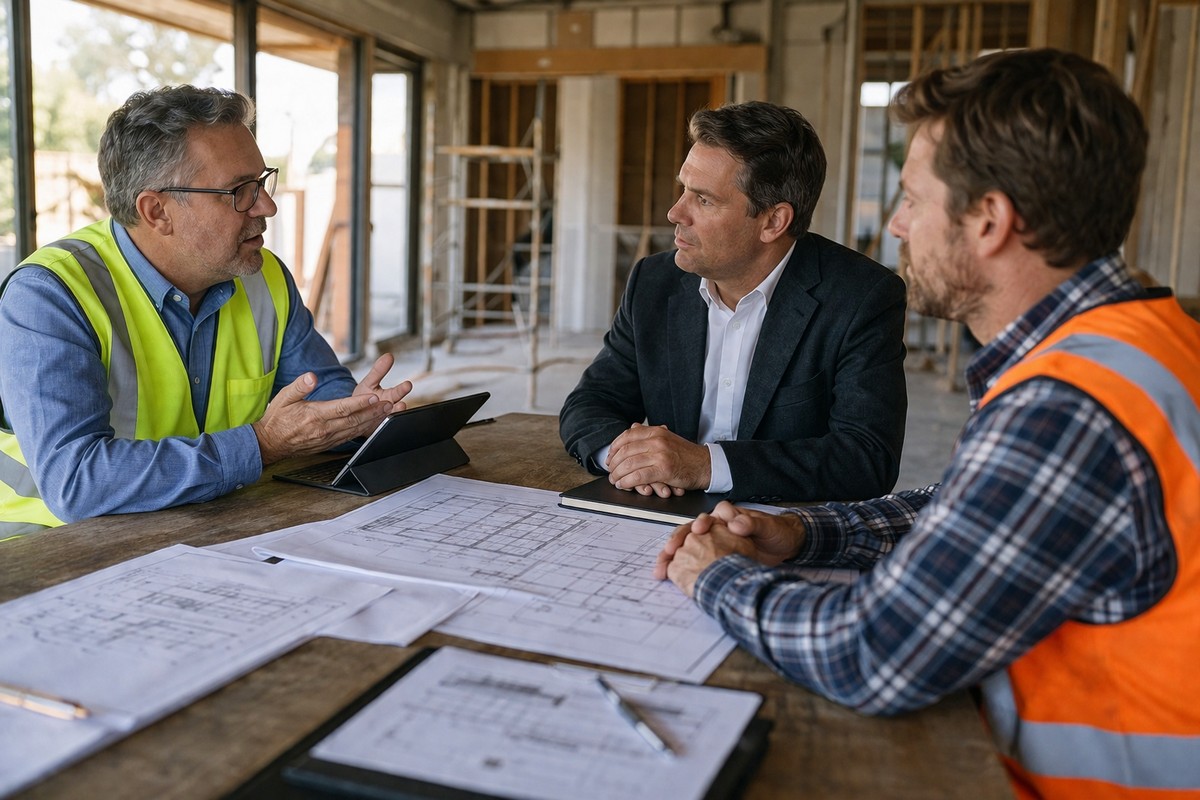
If you’re involved in a construction project and need a neutral attorney for mediation related to a Los Angeles construction project, you can bring your dispute to mediator Jason Turner. We help the parties to the dispute get their issues resolved.
It’s important to have a mediator who understands how construction disputes arise and how they can be successfully resolved. Jason Turner has over 25 years of experience handling both small and large construction disputes and has served as both a mediator and arbitrator for more than a decade.
That background includes a wide array of construction contract claims, payment issues, mechanic lien matters, disgorgement claims, quality of work disputes, warranty claims, construction injury claims, defense and indemnity disputes, and complex multi-party construction defect actions.
You also want a mediator who pays close attention to detail and remains fair throughout the process. Jason Turner looks at the factors impacting the dispute, and determines the real-lif obstacles to resolution, whether those are legal questions, factual disputes, personality issues, or other factors, and works to determine the best path forward that will help the parties achieve a resolution.
Construction mediation typically begins by learning about the parties, their roles, and the issues in dispute, and what steps have already been taken to move matters forward. Jason listens to the parties and their counsel and analyzes the information provided to identify the roadblocks to resolution and what pathways to settlement are possible. He then evaluates the claims, works to develop realistic expectations, and helps break through the barriers to get to a successful settlement.
Mediation begins with a detailed review of the key issues in dispute. Jason Turner examines the pertinent contract terms, billing, schedules, communications, and other records submitted by the parties related to the conflict. This first step helps identify the main issues to focus on during the session.
At this stage, each side shares its position. The discussion may include disputed facts, contract interpretations, payment demands, or responses to claims. This part gives both sides a chance to state what they want to address in mediation.
Mediations in the past would spend significant time in joint sessions, where each side would present their arguments and reasoning directly to the opposing parties. However, joint sessions can sometimes polarize the parties and restrict their willingness to speak candidly about the issues in dispute or the prospects for settlement. For this reason, most present-day mediations utilize private sessions, where the mediator spends time with each party individually, to get the parties’ unfiltered thoughts and positions. The mediator then uses the information learned to develop a strategy to overcome the obstacles to settlement and determine the best path forward.
As the parties make progress on the main issues, the conversation can shift to possible settlement terms. If a full agreement is not reached, the session may still help identify the next steps and any remaining points of disagreement. Everyone leaves knowing what remains unresolved after mediation.
Jason Turner offers construction mediation for disputes in Los Angeles and throughout Southern California, including the following communities:
Call Jason Turner at (949) 864-6234 to talk with him about mediating your dispute. This call may help identify key points and determine whether mediation is the right choice.
A construction mediator is a neutral third party who helps both sides work through a dispute, in an effort to reach a resolution. Jason Turner keeps the session focused on the key issues that need resolution. He does not make any binding decisions or issue rulings; he uses his knowledge, experience, and the information provided to help the parties reach a settlement.
Yes. Anyone involved in a construction dispute can use mediation to help them bring about a successful resolution.
Yes. You can take a construction dispute to mediation before filing a lawsuit. Many people choose mediation early, before the problem escalates. Litigation can involve enormous cost and time considerations, so making an effort to resolve the dispute early can save massive amounts of time and money.
That depends on the nature of the dispute. Useful records may include contracts, invoices, change orders, schedules, payment records, emails, text messages, or other project documents. The most important records are those directly related to the issues in dispute.
Yes. Payment and change-order issues can be handled together in a single mediation session if they are part of the same dispute. This can include unpaid work, disputed extras, approval questions, and related matters.